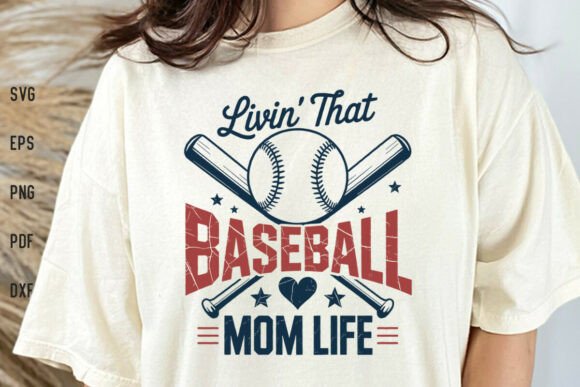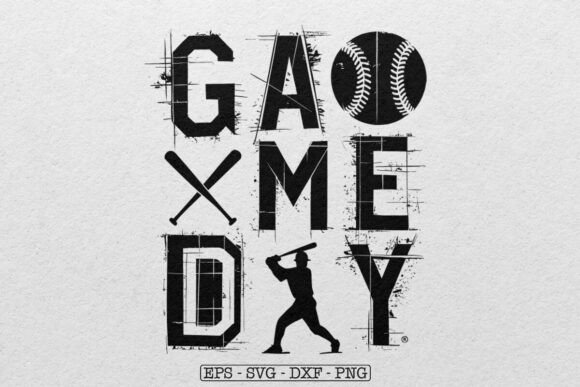
Game Day Baseball Vibes SVG, Baseball Svg
There is a certain energy that a well-built baseball season design brings to the worktable. Game Day Baseball Vibes SVG, Baseball Svg landed in my studio midweek, right when I was planning a batch of custom sweatshirts for a local baseball mom group. The project was personal: a dozen pullovers, each with a different name and number, but all needing a cohesive, spirited centerpiece. I pulled the file up, zoomed out, and immediately felt the rhythm of the ballpark. That mix of casual script, bold silhouette, and just enough white space to let the stitching breathe. It felt like a design that would look as at home on a coach’s cap as it would on a toddler’s raglan tee.
This review is not about listing features. It is about real use: how a vector file translates into thread, fabric, and customer smiles. I tested the SVG in digitizing software, stitched samples on three common fabrics, and even handed a finished tote bag to a neighbor who coaches Little League. What follows is the practical design judgment you need before you commit this file to your next embroidery project, whether you are a small shop owner, a craft fair regular, or a digital seller building product mockups.
First Sight: The Mood and Personality of the Artwork
Opening the Game Day Baseball Vibes SVG, Baseball Svg file, I saw a design that leans into nostalgia without feeling dated. The lettering has a confident, hand-drawn arc, the kind that whispers “dugout chatter” and sunny afternoons. The baseball elements are graphic but not overly complex; they prioritize clean lines over heavy detail. That is a huge plus for machine embroidery design work. Overly layered vector files often create digitizing headaches, but this one gave me the feeling that it would convert with minimal cleanup.
The layout feels intentionally balanced. There is a central focal point, often a baseball or a bat silhouette, with supporting text arranged in a way that wraps nicely around a chest pocket area or a tote bag face. The white space around the elements is generous enough to let the design breathe on a textured fabric, yet tight enough to keep the composition from looking scattered. This visual breathing room directly affects finished product appeal. A crowded design on a sweatshirt can look messy after stitching; this one holds its shape.
When I classify designs for my embroidery business, I group them into two categories: “instant impact” and “quiet charm.” This one belongs to the first group. Its spirit is friendly, competitive, and a touch playful. For a personalized gift or a boutique product, that emotional pull is gold. It says “game day” without shouting, and it invites the viewer to smile. I could already picture a customer holding a embroidered crewneck and saying, “This is exactly how I feel about baseball season.”
Translating the SVG into Stitching Reality
Digitizing a vector file for embroidery is where the real judgment happens. I imported the SVG into my software and mapped out stitch types. The main text shapes screamed for a smooth satin stitch, while the larger baseball graphic naturally called for a light fill stitch with a satin border. The running stitch underlay was minimal, which keeps the fabric from puckering on lightweight knits. If you are working with an applique design approach, some of the solid shapes could easily be cut from fabric and tacked down, which is a great way to add texture and reduce stitch count on a baby item or a kitchen towel.
Stitch density is always a concern with text-heavy designs. I did a test sew-out on a 50/50 cotton-poly blend sweatshirt. The letters, even at just under two inches tall, maintained crisp edges. There was no need to manually thin the satin columns, which saved me about twenty minutes in digitizing tweaks. On a heavier fleece, the fill stitch on the baseball graphic nested beautifully, with no gaping between the fill and the border. One caution: if your hoop size is small, say a 4x4, you will need to scale the design down, and that is where the smaller decorative accents might become too fine. I always recommend testing the embroidery file at the exact size you plan to sell before you commit to a full production run.
Real-Life Project: The Baseball Mom Sweatshirt That Tested Everything
Let me walk you through the exact project that put this design to the test. A customer ordered a personalized sweatshirt for her sister, a baseball mom of three. She wanted the design on the front chest, with the text “Game Day Vibes” and a small baseball, plus the family name arched below. I used the Game Day Baseball Vibes SVG, Baseball Svg as my base, added the name in a matching font, and prepared the hoop.
Fabric choice was a heather gray French terry, a medium-stretch, medium-texture surface. I used a medium-weight cutaway stabilizer and a wash-away topping to keep the stitches from sinking. The design stitched out in just under 12,000 stitches, which is reasonable for a chest logo. The thread colors I chose were a vintage red, a cream white, and a navy blue for contrast. The red satin stitch on the baseball popped against the gray, and the white text had enough presence to be readable from across the field. After washing the sweatshirt three times, the stitches held their shape with no distortion, and the fabric remained soft behind the design.
The customer’s reaction was instant. She sent a photo of her sister wearing it at a tournament, and her sister’s smile said everything. That is the kind of customer trust you build with a design that works in the real world. It is not just about a cute graphic; it is about how the finished product makes someone feel. For a craft business or Etsy seller, that emotional connection is what turns a one-time buyer into a repeat customer.
Where This Design Shines Brightest
Based on my sampling, I would confidently place this design on a handful of product types. Custom apparel is the most obvious. Crewneck sweatshirts, hoodies, and relaxed-fit tees give the design enough room to breathe. The layout works well for both adult and youth sizes, which is a huge bonus for a small shop product that needs to scale across an order.
Tote bags are another favorite. I stitched a sample on a 12-ounce canvas tote, using the design at about five inches wide. The baseball graphic and lettering created a clean, boutique-worthy look that would sell well at a farmers’ market or a craft fair. I also tested a smaller version on a structured dad cap. The curved surface of the cap required careful placement, but the design’s simple silhouette stood up to the challenge. The key is to avoid extreme detail in the cap area; this design’s moderate complexity was just right.
For baby embroidery or nursery decor, I would scale the design down and use it on a soft cotton blanket or a onesie. The playful mood translates well to a toddler’s baseball-themed room. Pillow covers and tea towels are also smart choices. The design’s visual weight is light enough that it does not feel heavy on a decorative pillow, and it washes well on linen blend tea towels. Holiday gift potential is strong: imagine a set of embroidered kitchen towels with a baseball motif tied with a ribbon for a coach’s gift.
For digital product sellers and printable mockup creators, the SVG file is a clean asset. The lines are sharp, the layers are manageable, and the design reads well in both color and black-and-white previews. I always test a design in grayscale to see if it holds its composition; this one passed that test easily, which means it will look as good in a simple line-art mockup as it does in full embroidery.
When to Use It Carefully: Fabric, Hoop, and Detail Sensitivities
No design is perfect for every surface. With Game Day Baseball Vibes SVG, Baseball Svg, there are a few situations where you need to pause and test before you cut. If your embroidery machine has a small hoop size, the text and the small baseball accents might become too fine. Lettering that is under one inch tall can lose its legibility in satin stitch, especially on textured fabrics like terry cloth or waffle knit. I recommend keeping the design at least three inches wide for text-heavy versions.
Stretchy fabric, like performance tees or thin ribbed knits, demands extra stabilizer and a careful stitch order. The fill areas on the baseball graphic can pull the fabric if the underlay is not dense enough. I always do a test stitch on a scrap of the same fabric, and I adjust the pull compensation in my digitizing software. Dark fabric also requires attention. The design’s contrast relies on light thread colors; on a black sweatshirt, the white and red threads will pop, but the subtle details might get lost if the stitch density is too low. I increased the satin width slightly for the dark sample, and it made a noticeable difference.
Layered garments like button-down shirts or jackets with seams near the embroidery area can distort the placement. I always hoop the garment with the seams pressed flat and use a basting stitch to secure the area. For curved surfaces like the front of a cap, the design’s horizontal orientation works well, but you must center it carefully and avoid letting the edges wrap too far around the curve. The applique design route can help reduce distortion on caps, because the fabric piece is cut to shape and sewn down, rather than relying on dense fill stitches.
If you plan to use the design on items that will see frequent washing, like a baseball uniform or a kids’ sweatshirt, pay extra attention to stitch density and thread quality. I used a polyester embroidery thread for the red and white, which holds color better than rayon after multiple washes. The customer’s sweatshirt still looks new after a full season of machine washing and drying, which is a testament to the design’s practical durability when digitized correctly.
Building a Product Line Around a Single Design
One of the smartest things a creative entrepreneur can do is find a versatile design and build a small collection around it. Game Day Baseball Vibes SVG, Baseball Svg has that kind of range. I can see it anchoring a “Baseball Mom” mini collection: a sweatshirt, a tote bag, a cap, and a patch set. Each item would use the same core design, slightly adjusted for size and stitch type, creating a cohesive brand consistency that customers recognize.
For Etsy sellers and handmade product shops, the file’s digital nature means you can create multiple listings from one purchase. You can offer the design as a custom embroidery option on a sweatshirt, as a printed iron-on transfer, or as a digital mockup for customers who want to see the design before buying. I have done this with other sports-themed designs, and the customer engagement is always higher when the product photos show the design in a real setting, like a tote bag at a ballpark or a baby onesie with a tiny baseball cap.
Giftability is another strong point. The design does not scream a specific team, so it appeals to a broad audience. It is just as suitable for a wedding gift for a couple who loves baseball as it is for a Father’s Day present. The word “Vibes” gives it a modern, friendly feel that steers clear of cliché. That freshness is hard to find in sports-themed design assets, and it raises the perceived value of the finished product.
Practical Embroidery Designer Notes
Here are the working notes I jotted down during my testing. These are the things I would tell any maker before they thread their needle.
- Test on scrap fabric first. The SVG file is clean, but every fabric and stabilizer combination behaves differently. I ran a sample on cotton, fleece, and canvas before I was satisfied.
- Check thread color contrast. The design’s red, white, and navy palette is classic, but if you swap one color for a lighter shade, test it on a dark background to ensure the design still reads well.
- Review stitch density in your digitizing software. The baseball graphic’s fill stitch can be reduced slightly for lightweight fabrics, but keep the satin border dense enough to create a clean edge.
- Confirm your hoop size. For a full chest design, a 5x7 or 6x10 hoop is ideal. For totes and caps, a 4x4 can work if you scale the design down, but watch the small lettering.
- Inspect small details in black and white. I converted the design to grayscale in my mockup software to see if the baseball seams and lettering would hold up without color. They did, which means the design will look good even in a simple stitch simulation.
- Compare light and dark fabric backgrounds. The design’s impact changes dramatically on a black versus a white shirt. I prefer it on medium tones like heather gray or charcoal, where the red threads really sing.
- Use a proper stabilizer for the fabric type. A cutaway stabilizer is essential for knits, while a tear-away works well for woven tote bags.
- Check the licensing terms before selling finished items or digital products. The file comes as a digital download, and while many SVG bundles allow commercial use on physical products, you should always verify the scope. I always keep a screenshot of the license for my records.
- If you are a digital product seller, do not resell the file as-is. Instead, use it to create original embroidery digitized files or physical products. That distinction protects your business and respects the original designer’s work.
In the end, Game Day Baseball Vibes SVG, Baseball Svg earned a permanent spot in my design library. It is not trendy; it is timeless enough to sell year after year. The mood, the layout, and the stitching potential all point to a file that was made with real projects in mind. Whether you are crafting a single personalized gift for a friend or building a full boutique line, this design is a reliable teammate. As with any graphics file in the crafts category, the magic is in how you bring it to life. For me, that means thread, fabric, and a thoughtful approach to the craft. I am already planning a Mother’s Day tote bag with this design, and I know it will be a home run.