Baseball Mom Mesy Bun SVG: A Stitcher’s Honest Take
I’ve been staring at the Baseball Mom Mesy Bun SVG for a solid twenty minutes, and I keep coming back to the same thought: this one has personality. Not the loud, overly busy kind you see on rushed design marketplaces, but a quiet confidence that knows exactly who it’s for. As a designer who digitizes embroidery files almost daily, I’m not just looking at how a graphic looks on screen. I’m thinking about how it will stitch out on a sweatshirt, a tote bag, a baby onesie, or a curved cap. I’m thinking about thread breaks, stitch density, tiny lettering, and every single way a customer might react when they open that finished product.
First Impression: A Design That Already Belongs Somewhere
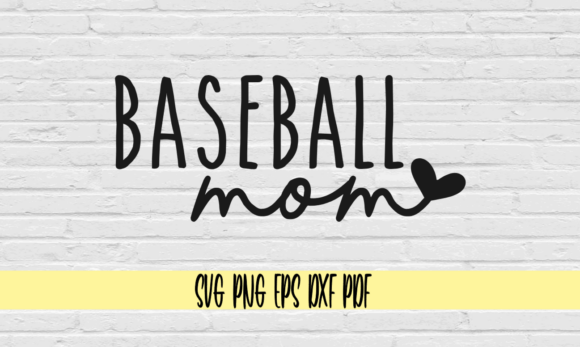
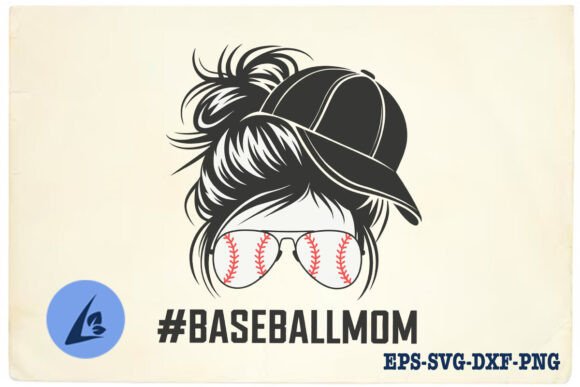
When I opened the Baseball Mom Mesy Bun SVG, the first thing that hit me was the mood. It’s unapologetically mom-life, but with a sporty twist that feels fresh—not like a generic holiday graphic. The messy bun shape, combined with baseball elements, creates a visual that’s equal parts playful and proud. I could immediately picture it on a soft heather gray pullover, the kind someone would wear to a little league game or a weekend craft fair. The layout feels balanced, with enough negative space to let the stitching breathe without looking empty.
From a design perspective, the linework is crucial. I mentally dissected the curves and angles, imagining how they’d translate into a satin stitch or a fill stitch. The overall shape is forgiving—no razor-thin stems or impossibly tiny dots that would disappear under thread. That’s a huge plus for anyone who digitizes their own files or works with a trusted digitizer. If the SVG came with high-resolution PNGs as promised, that’s a bonus for creating printable mockup previews or helping clients visualize the final piece before a single stitch is made.
Where This Design Shines in Real Embroidery Projects
I’m always testing designs in my head across different products before I commit to a hoop. Here’s where the Baseball Mom Mesy Bun SVG feels like a natural fit:
- Tote bag design: A canvas tote with this design stitched near the bottom corner would be a strong seller at baseball tournaments or mom-centric pop-up shops. The theme is specific enough to attract attention but broad enough to appeal to a wide age range.
- Sweatshirt embroidery: Placed left-chest or slightly larger on the back, it would make a wonderful personalized gift for a team mom. I’d use a no-show cutaway stabilizer on fleece to keep the stitches from sinking.
- Baby embroidery: On a tiny onesie or a soft baby blanket, the messy bun graphic becomes a sweet “mommy and me” piece. I’d reduce the size carefully and test the stitch density on a scrap of interlock fabric first.
- Embroidered patch: This design is practically begging to be turned into an iron-on or sew-on patch. A merrowed edge and a dense background fill would give it that boutique feel.
- Cap embroidery: The curved surface of a baseball cap is tricky, but the bun motif and any text could be arranged to follow the crown’s curve. I’d float the cap and use a strong adhesive backing.
- Pillow covers and tea towels: For home decor, the design adds a playful accent without overwhelming the room. Linen or cotton blends would hold the stitches beautifully.
Across all these uses, the Baseball Mom Mesy Bun SVG brings a feeling of recognition. Customers see themselves in that messy bun, in the baseball life, and that emotional connection is what turns a casual browser into a buyer. For Etsy sellers and craft business owners, that’s pure gold.
When to Tread Lightly: Fabric, Hoop Size, and Detail Challenges
No design is a one-size-fits-all miracle, and this one deserves a few honest cautions. The messy bun shape, while charming, often includes wisps of hair or small decorative elements. In embroidery, those tiny details can blur together if the design is scaled too small. I would never try to stitch this at under 3 inches wide without thinning out the fine lines first. On textured fabrics like terry cloth or thick knit, those same wisps might get lost entirely, so I’d save the design for smoother surfaces unless I’m intentionally going for a distressed look.
Dark fabric is another consideration. The contrast between thread colors and a black or navy sweatshirt can make or break the design. I always test the digitized file on a piece of dark scrap fabric to see if the outline pops or if I need a lighter underlay. Stretchy fabric like performance tees demands a different approach: a cutaway stabilizer and a slightly lower stitch density to prevent puckering. Layered garments with zippers or seams near the embroidery area are also worth avoiding unless you’re comfortable with challenging placements.
Then there’s the lettering. If the SVG includes the phrase “Baseball Mom” or similar text, I pay extra attention to the font size. Tiny lettering on a cap or a small hoop can turn into an illegible blob. I’d either enlarge the text or simplify the font before digitizing. And for products that need frequent washing—like a game-day sweatshirt—I’d run a wash test on a sample to see how the thread colors hold up and whether any satin stitches shift over time.
Practical Digitizing Notes for a Professional Finish
I treat every digital embroidery file like a custom job, even when I’m starting from a pre-made SVG. The Baseball Mom Mesy Bun SVG is a graphic, not a ready-to-stitch embroidery file, so the heavy lifting still falls on the digitizer. Here’s my mental checklist before I ever load a hoop:
- Test on scrap fabric first: I keep a stack of cotton twill and fleece scraps just for this. It tells me more about stitch quality than any on-screen preview ever could.
- Check thread color contrast: I hold the thread spools against the fabric in daylight and under a lamp. A color that looks perfect on a white screen might vanish on oatmeal-colored canvas.
- Review stitch density: Too dense, and the design feels like a stiff plate; too sparse, and the fabric shows through. I usually aim for a soft hand, especially on baby items and apparel.
- Confirm hoop size: I match the design’s final dimensions to the smallest hoop that can comfortably hold it, leaving room for the needle to move. I never assume the SVG’s size is embroidery-ready.
- Inspect small details: I zoom in on the digital preview and ask myself, “Will this tiny curve actually stitch, or will it just be a thread nest?” If in doubt, I simplify.
- Test in black and white: A quick monochrome mockup helps me see if the design relies too much on color and will lose its shape on a single-color product.
- Compare light and dark fabric backgrounds: I mock up the digitized design on both a white and a charcoal background. The difference can be startling.
- Use proper stabilizer: For knits, a cutaway; for wovens, a tear-away; for towels, a water-soluble topper. I bag the scraps and jot down what worked best.
None of these steps are optional if you’re selling a finished product or building a craft business reputation. A poorly stitched design erodes customer trust faster than a delayed shipment. The Baseball Mom Mesy Bun SVG has the potential to enhance buyer engagement and brand consistency, but only if the execution is thoughtful.
Real-Life Scenario: A Custom Order That Made Me Appreciate the Design
Last week, a client asked me to create a set of matching tote bags for her daughter’s softball team moms. She wanted something personal, not mass-produced, and she sent me a handful of SVGs to consider. The Baseball Mom Mesy Bun SVG stood out immediately. I could see her pointing at the screen and saying, “That’s us.”
I digitized the design with a mix of running stitch for the delicate hair details and satin stitch for the bolder outlines. The baseball seams were converted into a subtle fill that gave texture without bulk. I stitched the first sample on a natural canvas tote, and the result was exactly what I’d hoped for: clean, recognizable, and full of personality. The client teared up a little when she saw it. That’s the kind of giftability and professionalism you want every design to carry.
That experience confirmed what I’d already suspected: the Baseball Mom Mesy Bun SVG isn’t just a cute graphic. It’s a conversation starter. It’s the kind of design that makes someone feel seen, and when you’re running a small shop, that emotional hit is what turns a one-time buyer into a repeat customer.
Licensing, Commercial Use, and the Fine Print
Before you list anything on Etsy or pack it for a craft fair, you have to be sure about the rights. The product description mentions digital files for DIY printables and iron-on transfers, but it doesn’t spell out the full commercial embroidery license. I always recommend reaching out to the creator or checking the listing details for any restrictions on selling finished products. Can you apply the design to a sweatshirt and sell it? Can you turn it into a personalized product for a client? Can you use it in a commercial embroidery run of fifty tote bags? These questions matter, and assuming the answer is yes can land a small business in hot water.
Even if you’re only using the Baseball Mom Mesy Bun SVG for machine embroidery design purposes, the base file is still a digital asset. I treat it with the same respect I’d give any design assets purchased from a stock library. If the creator offers different file formats, I’ll grab the highest-resolution PNG for mockups, but the SVG is what I’ll use to trace or convert for embroidery. The fact that it falls under the Crafts category and is listed as a Graphics type tells me it’s meant for makers, not for mass industrial production, which aligns perfectly with the handmade market.
The Final Product: What Your Customer Sees and Feels
When someone picks up a product embroidered with the Baseball Mom Mesy Bun SVG, I want them to smile before they even touch the fabric. That’s the real test. The design should feel intentional, as if it was drawn specifically for that tote bag, that sweatshirt, that nursery pillow. The stitching clarity should be high enough that the messy bun threads look deliberate, not like a mistake. The visual appeal should be immediate, pulling the eye toward the center of the design and then letting it wander across the supportive details like little baseball stitches or a tucked-in hair tie.
For handmade product sellers, the value of a design like this goes beyond the sale price. It shows you understand trends without being trendy, that you respect the mom who wears her messy bun like a badge of honor. It boosts product value because it feels personal, not off-the-shelf. And when you package that embroidered item with a simple thank-you note, you’re not just selling a thing—you’re selling a feeling. That’s the kind of brand consistency that gets people talking.
I’ve used a lot of SVGs over the years, and many of them never make it past the first test stitch. The Baseball Mom Mesy Bun SVG earned its spot in my rotation because it’s honest. It doesn’t pretend to be a masterpiece of intricate art; it’s a solid, relatable design that stitches well when you put in the work. And for crafters, that’s exactly what we need: a design that does its job, connects with the right audience, and lets us focus on the parts of the process we love most.