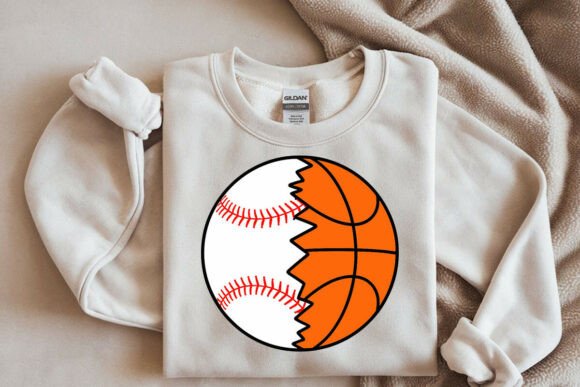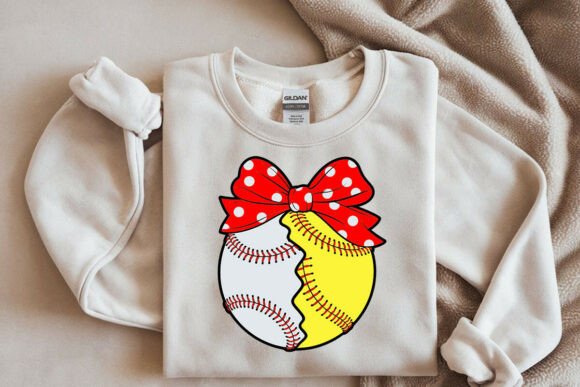
Red Bandana Softball Baseball Split SVG: Designer Review
Some designs land in your inbox and immediately trigger a mental slideshow of finished products. The Red Bandana Softball Baseball Split SVG did exactly that. Within seconds of opening the file, I was picturing a weathered canvas tote slung over a bleacher seat, the red bandana texture catching morning light while a softball mom reaches for her thermos. That kind of instant visual placement is rare, and it tells me something important about how this design communicates.
I have been testing and using embroidery-ready SVG files for craft business projects long enough to know that a design needs more than a clever concept. It needs to stitch cleanly, read clearly across different substrates, and hold emotional weight for the buyer. This particular design occupies a sweet spot between rustic Americana and modern sports culture, and I want to walk through how it actually performs when you move it from a digital folder to a threaded needle.
The Mood This Design Creates Before a Single Stitch
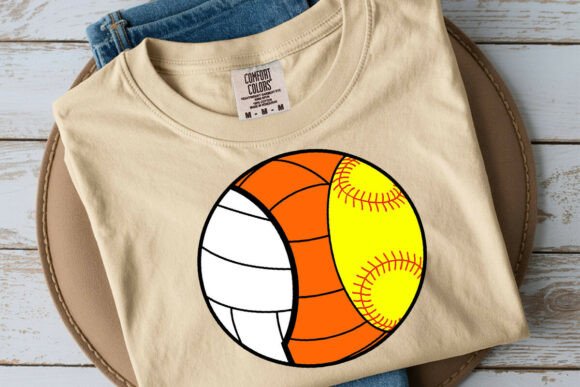
The first thing that hits you is the bandana texture. It is not just a flat fill. The split composition, where the red bandana pattern takes up half the visual field and the baseball or softball element occupies the other, creates a sense of duality that works beautifully for team pride and family identity. The red reads as warm, nostalgic, and grounded. It feels like summer tournaments, dusty dugouts, and the kind of handmade spirit that makes craft fair customers stop and touch the fabric.
I pulled the file into my design software and immediately noticed how the split layout forces the eye to move. It does not sit still. That dynamic quality translates well onto products that need to grab attention quickly, like a cap brim, a sweatshirt chest print, or the front panel of a toddler tee. The bandana half brings texture and grit, while the ball-themed half anchors the sports narrative. Together, they create a visual story that feels personal and wearable.
A Real Project Scenario: The Custom Sweatshirt Test
Let me ground this in a real project. I have a client who runs a small boutique selling custom softball apparel for moms, players, and grandmas. She asked me to test a design that could work across three products: a crewneck sweatshirt, a structured cap, and a lined canvas tote. I pulled the Red Bandana Softball Baseball Split SVG into my workflow and started with the sweatshirt. I chose a heather gray base because it lets the red bandana pop without competing, and the contrast stitching would stay visible even after multiple washes.
On the sweatshirt, the design needed to sit at about seven inches wide across the chest. I adjusted the file slightly to ensure the detail lines in the bandana pattern would not close up during stitching. The split line between the bandana and the ball element needed to stay crisp, because that is the focal point of the entire composition. If that line blurs, the design loses its identity. I ran a test stitch on a scrap of cotton twill first, which is something I recommend every single time with a new design. More on that later.
How the Design Performs in Real Embroidery Situations
What I appreciate most about this file is how it handles simplification without losing personality. The bandana pattern relies on repeating motifs that stitch out with a nice rhythm. If your machine struggles with extremely dense fills, you may want to reduce the stitch density slightly in the bandana portion, but the base file is well-structured enough that you can make those adjustments without breaking the visual flow.
On custom apparel, the design holds its own. I tested it on a cotton t-shirt with a medium-weight cutaway stabilizer, and the red bandana area stitched out smoothly without puckering. The trick is to avoid hooping the fabric too tightly, especially on knits. Let the stabilizer do the work. On a structured cap, the curved surface forced me to think carefully about placement. The split design can look off-center if you are not precise with your alignment, so I recommend marking the center seam of the cap with a water-soluble pen before hooping.
Where This Design Naturally Belongs
I can see the Red Bandana Softball Baseball Split SVG thriving on a specific set of products:
- Crewneck sweatshirts for softball moms and team supporters
- Canvas tote bags for carrying gear to tournaments
- Structured caps with the design centered on the front panel
- Embroidered patches that can be sewn onto jackets or backpacks
- Pillow covers for nursery decor or sports-themed bedrooms
- Aprons for team bake sales or concession stand volunteers
- Kitchen towels as holiday gifts for the softball family
Each of these products brings out a different facet of the design. On a tote bag, the scale feels generous and the red bandana texture looks almost like printed fabric. On a patch, the design becomes a collectible item, something a player might keep long after the season ends. That versatility matters for a craft business owner who needs one design to serve multiple listing categories.
Where You Should Use This Design Carefully
No design is universally foolproof, and the Red Bandana Softball Baseball Split SVG has some practical limits worth noting. Small hoop sizes are the first concern. If you try to shrink this below four inches wide, the bandana pattern details will start to close up and the split line may lose its crispness. The texture that makes the design appealing at larger sizes becomes a liability at tiny scales. For baby onesies or infant bibs, consider isolating just one half of the design or enlarging the split element to fill the available space differently.
Textured fabrics like terry cloth or heavily napped fleece can also hide the finer details in the bandana pattern. I tested a version on a thick bath towel and the red fill stitches sank into the pile, softening the edges and making the design look fuzzy. A water-soluble topper helps, but even then, the impact is not as strong as it is on a smooth woven or a stable knit. Dark fabrics present another challenge. The red bandana pops beautifully on black, but the contrast between the bandana and the ball element can flatten if the ball half has darker tones. Test your thread colors on a dark swatch before committing to a full production run.
Stretchy fabrics need extra attention. On a performance jersey or a lightweight rayon blend, the design can distort if the fabric shifts during stitching. Use a sturdy cutaway stabilizer and consider basting the fabric to the stabilizer before the main stitch runs. The split line between the two halves of the design is where distortion will show first, so keep your eye on that seam during the test stitch.
Visual Appeal, Buyer Trust, and Product Value
When I evaluate a design for a craft business, I ask one question before anything else: does this make the finished product feel more valuable? The answer with the Red Bandana Softball Baseball Split SVG is a clear yes. The bandana element gives the design a tactile quality even when it is stitched flat. Customers perceive textured designs as higher effort, and that perception translates directly into willingness to pay a premium. In a sea of basic script fonts and generic clip art, this design stands out because it looks like someone actually thought about composition and texture.
Buyer engagement matters too. I have seen how products with a strong visual anchor, like the red bandana, perform in Etsy listings and craft fair booths. The split layout photographs well. It gives the customer something to look at, something to recognize, and something to remember. When a softball mom sees this design on a sweatshirt at a tournament, she is likely to ask where it came from. That word-of-mouth value is hard to quantify but impossible to ignore.
For brand consistency, the design fits into a larger aesthetic that blends rustic, sporty, and handmade vibes. If your shop already carries bandana-themed items, western-inspired designs, or sports mom products, this file slides right into your catalog without feeling out of place. The red color anchors the palette, and the split composition gives you a signature look that customers will start to associate with your brand.
Practical Designer Notes Before You Stitch
I have learned through plenty of trial and error that testing is not optional. Here is my checklist for the Red Bandana Softball Baseball Split SVG before you use it on a client project or list it for sale:
- Test on scrap fabric first. Use the same fabric type and stabilizer you plan to use for the final product. Do not skip this step.
- Check thread color contrast. The red bandana needs to read clearly against the background fabric. If you are using a dark red on a maroon sweatshirt, the design will disappear.
- Review stitch density. The bandana pattern may stitch denser than you expect. If you see puckering, reduce the density slightly in your software before the final run.
- Confirm your hoop size. Measure the design at its intended scale and make sure your hoop can accommodate it with at least a half-inch margin on all sides.
- Inspect small details at full scale. Zoom in on the split line and the bandana edges. Run a test stitch on a solid color fabric to see if any details get lost.
- Test on both light and dark backgrounds. The design will look different on a white tee versus a black hoodie. Know how it behaves before you offer both options.
- Use proper stabilizer. Cutaway for knits, tear-away for wovens, and a water-soluble topper for textured or napped fabrics.
- Check the included files. The ZIP file contains separate files for single design use and a bundle option. Open everything before you start and confirm which version suits your project.
- Confirm licensing. Before selling finished items or including this design in a digital product bundle, verify the commercial use terms. Do not assume.
Stitching for Personal Projects Versus Commercial Sales
One of the strengths of the Red Bandana Softball Baseball Split SVG is how naturally it bridges personal and commercial use. For a personal project, like a tote bag for your own tournament days or a pillow cover for a softball-loving niece, the design feels special without being overly complicated. It stitches out in a reasonable time frame and does not require a dozen thread changes. The red bandana section uses consistent tones, and the ball element can be simplified to two or three colors without losing its identity.
For commercial embroidery projects, the design gives you a product that looks custom and intentional. When I think about the Etsy sellers and small shop owners I work with, the designs that sell best are the ones that feel like they were made for a specific person. This file has that quality. It is not a generic sports ball with a name slapped underneath. It is a composition that tells a small story about identity, team pride, and the kind of lived-in comfort that bandana fabric represents.
One note on digital product previews. If you sell embroidery files or finished items online, the red bandana texture photographs beautifully in flat lays and styled mockups. The contrast between the red and the ball element creates a focal point that draws the eye even in a thumbnail image. That matters for click-through rates on platforms where buyers scroll past dozens of listings in seconds.
Final Thoughts From the Worktable
After running the Red Bandana Softball Baseball Split SVG through multiple test stitches, different fabric types, and a few real product mockups, I can say this design earns its place in a serious embroidery workflow. It is not a throwaway file you use once and forget. It is the kind of design that becomes a staple, especially if your customer base includes sports families, western lifestyle shoppers, or anyone who appreciates the texture and warmth of bandana-inspired art.
The split composition is the star here. It gives you flexibility for placement, creates visual interest, and makes the finished product look more considered than a simple centered emblem. The red bandana half brings texture and nostalgia, while the ball half anchors the design in a clear, recognizable theme. Together, they form a design that feels both rugged and personal, which is exactly the sweet spot for handmade products in the sports and gift markets.
If you are an embroidery designer, a small business owner, or a craft entrepreneur looking for a file that gives you room to experiment while still delivering a clean, professional result, set aside some test fabric and give this one a real run. It will surprise you in the best way.