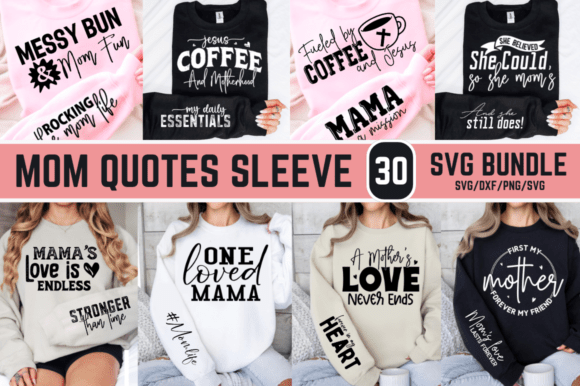
Messy Bun Mom Fun Sleeve SVG Design: From Screen to Stitch
The first time I pulled up the Messy Bun Mom Fun Sleeve SVG Design, I immediately knew it wasn’t trying to be a high‑art, serious piece. It’s playful, a little cheeky, and clearly built for a very specific audience — moms who live in the beautiful chaos of messy buns, coffee runs, and the kind of humor that finds a toilet paper roll genuinely funny. As a designer who reviews embroidery files for real‑world use, I don’t just look at how a design looks on a screen. I picture it on a finished product, in a customer’s hands, after thirty washes, and I ask the hard questions: will it stitch out clean? Will the small details hold? Will it sell? Here’s what I found when I put this design through a practical, stitch‑ready lens.
First Impression: More Than a Simple Sleeve Motif
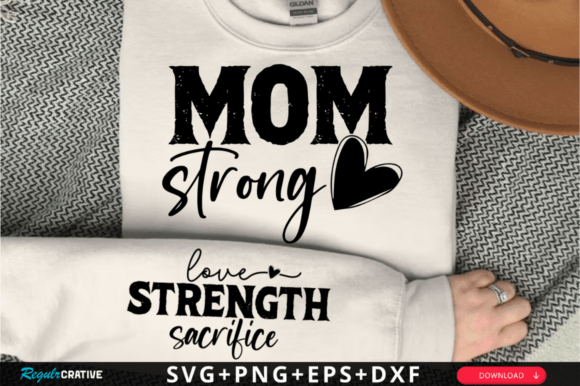
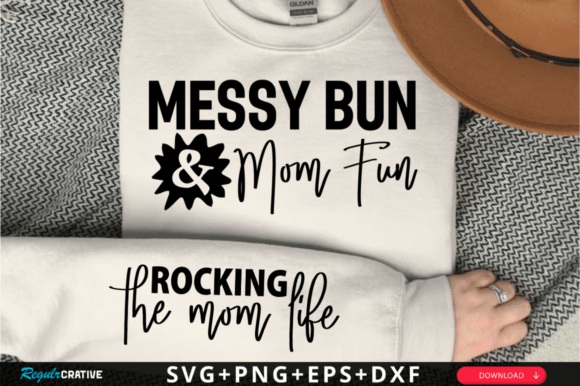
At first glance, the design feels like a conversation starter. The phrase itself — “Messy Bun Mom Fun” — already tells a story. The addition of the word “Sleeve” in the file name suggests it’s meant to be placed on a sleeve, which is a nice, considered touch. Too many designs are thrown onto a canvas without a clear placement intent, and that small detail shows the creator understood the wearer wants a design that looks intentional, not just slapped on the center chest. The visual mood is casual, warm, and slightly irreverent. From the product description mentioning “toilet paper” and “gift idea,” I suspect the graphic includes a playful nod to the bathroom humor moms often share, which makes it perfect for a “mom gift” or a funny present for a baby shower, a girls’ night, or even a self‑care treat. The shape feels compact enough for a sleeve, a pocket, or a hat, but I can already see it scaling up nicely for a tote bag or a kitchen towel.
Where This Design Truly Belongs
I’ve been testing embroidery files for years, and the first question I ask is: what product would this design make better? The Messy Bun Mom Fun Sleeve SVG Design isn’t meant for formal corporate apparel. It’s a personality piece. I’d use it immediately on a custom sweatshirt, especially the kind sold in small boutiques where the owner wants a funny, relatable line. It would also sing on a kitchen towel, paired with a cute messy bun icon and maybe a roll of toilet paper, creating a gift set that feels personal and handmade. For tote bags, this design would be an instant magnet at craft fairs, where shoppers look for something that makes them laugh or nod in recognition. I can even picture it on a cap, with the design centered on the front panel, or on a baby bib for a mom‑themed baby shower gift — perhaps with a tiny addition like “Mom’s little helper.”
Because the description mentions “sweet t‑shirt,” I’d also test it on a lightweight, soft‑knit tee. The “sleeve” placement is clever; it won’t overwhelm the garment, and it gives the wearer a subtle but proud declaration. The humorous toilet paper angle, while odd at first, actually broadens the design’s appeal: it’s a gift for the friend who always complains about the constant battle for the last roll. That’s a niche, but a very real, very shareable one.
Stitch‑Out Reality: What I’d Watch For
No matter how charming a digital design looks, the real test happens under the needle. I’d immediately load this into my embroidery software and check a few critical things. First, I’d look at the stitch density. If the design includes tiny lettering — like “fun” or “mom” in a delicate font — thick satin stitches can turn into a puckered mess on stretchy fabric. I’d reduce the density slightly and maybe switch to a running stitch for the smallest details, especially if the text is under a quarter of an inch tall. The messy bun graphic, if it’s an outline or filled shape, might need a combination of satin stitch for crisp edges and a light fill stitch for the bun itself to avoid a bulletproof stiffness on a t‑shirt.
I strongly recommend testing the Messy Bun Mom Fun Sleeve SVG Design on scrap fabric first. Use a mid‑weight cotton or a cotton‑poly blend to mimic a typical t‑shirt, and a piece of terry cloth if you’re going for a towel. On dark fabric, the design could lose its charm if the thread colors don’t contrast enough. I’d always test the design in a black‑and‑white mockup too — sometimes a design that looks balanced in color becomes completely illegible in grayscale, and that’s a real problem if you plan to sell the finished product online, where photos matter.
The Hoop Size and Stabilizer Checklist
Since the file name mentions “Sleeve,” I’m guessing the design is intended for a smaller hoop — maybe a 4x4 or 5x7. Sleeve areas are tight, and you don’t want to over‑hoop. I’d float the sleeve area with a strong adhesive stabilizer and a water‑soluble topper if the fabric has a nap, like a French terry sweatshirt. For a tote bag or pillow cover, I’d use a cut‑away stabilizer to keep the design from distorting over time. The toilet paper element, if it’s a small outlined roll, might be the trickiest: tiny circles or details can disappear under dense thread. I’d open the file and zoom in to 200% to check for narrow columns that might cause thread breaks. If the design is an applique design, I’d pre‑cut the fabric for the bun or the roll carefully, because a ragged edge there would ruin the homemade, professional look every seller wants.
Visual Appeal, Customer Trust, and That “Giftable” Factor
When I evaluate a design, I think about the person who will eventually buy the finished product. The Messy Bun Mom Fun Sleeve SVG Design has a strong personality. It’s not trying to be everything to everyone. That’s a huge advantage. A buyer who sees this on a sweatshirt at a craft fair will likely smile, touch the stitching, and immediately think of a friend who would love it. The humor builds customer trust because it feels authentic, not forced. The phrase is relatable, and the toilet paper reference — if done tastefully — adds a layer of inside‑joke appeal that makes the item feel like a small, hand‑picked treasure.
For an Etsy seller or a small shop product, this design can be the centerpiece of a listing that sells itself through the title and tags. I’d style a printable mockup with the design on a soft gray sweatshirt sleeve, maybe with a messy bun model holding a coffee cup, and call it a “Mom Life” gift. The visual consistency between the digital mockup and the actual stitch‑out is critical, so I’d photograph the real stitched product under natural light, showing the texture of the thread. That’s what builds repeat buyers.
Where You Should Use It Carefully — and Where It Shines
Not every surface is a friend to this design. I’d avoid placing it on heavily textured fabrics like fleece or loosely woven linen unless you’re prepared for some distortion. Thin, stretchy fabrics like a rib‑knit baby onesie can be tricky: the design might pull and warp, so I’d use a heavy‑weight cut‑away stabilizer and baste the fabric down firmly. On a curved surface like a cap, the sleeve‑style layout might need repositioning to avoid a seam, and I’d test the placement on a practice cap first. Dark fabrics, as I mentioned, demand a thread color that pops — maybe a bright white, a soft coral, or a muted gold for the “messy bun” text, to keep the playful mood alive.
That said, the design truly shines on flat, stable surfaces: a pillow cover, a tea towel, a canvas tote, or a sweatshirt with a firm front panel. It’s also an excellent candidate for a holiday embroidery project — imagine it on a Mother’s Day gift set, or a funny Christmas stocking stuffer. I’ve even seen similar designs turned into embroidered patches, and I’d consider digitizing this with a merrowed edge if I wanted to sell patches separately. The toilet paper element, while quirky, could be the hook that makes it a bestseller in a bathroom‑themed gift bundle.
Practical Designer Notes for Commercial and Personal Use
Before you stitch this design onto a single product for sale, I’d run through a quick checklist. Test the embroidery file on the exact fabric you plan to use, not just a similar one. Check the thread color contrast in daylight and under warm indoor light. If the design includes very small details like the toilet paper perforations, assess whether they’ll read as intended or just look like noise. I’d also stitch out the file at two different sizes — the intended sleeve size and a slightly larger version for a tote — to see if the scaling holds up. Some designs lose detail when reduced, and that’s a dealbreaker for a craft business.
Since this is a digital embroidery file from the Graphics category, it’s crucial to confirm the file format and licensing. The description doesn’t list specific formats, so I’d reach out to the seller or check the listing to ensure the file is compatible with my machine (PES, DST, etc.). More importantly, if you plan to sell finished items — whether on Etsy, at markets, or to boutiques — you need to verify the commercial license. The product description says “This is the perfect design for you,” but it doesn’t explicitly state if commercial use is allowed. I’d never assume. A quick message to the designer can save you from a headache later.
For personalized gifts, this design is a dream. You can add a name or a year underneath the main motif, making it a one‑of‑a‑kind baby embroidery for a new mom, or a custom apron for a friend who loves to cook and laugh. The key is to treat the original SVG as a design asset and build on it respectfully, without altering the core appeal. If you’re a hobbyist or a maker, this file gives you a strong starting point for a project that feels personal and a little bit rebellious — in the best way.
Final Thoughts from the Embroidery Bench
I’ve stitched hundreds of designs over the years, and the ones that stick with me are the ones that match a mood to a product. The Messy Bun Mom Fun Sleeve SVG Design isn’t polished perfection; it’s personality in thread form. It will sell because it makes people feel seen. The messy bun, the mom humor, the unexpected toilet paper twist — it’s a conversation piece that fits a sweatshirt embroidery project, a tote bag design, or a kitchen towel set as well as any trendy, generic design. My advice: test it thoroughly, choose your fabric and stabilizer wisely, and don’t be afraid to lean into the fun. If you’re building a small shop product line, this is the kind of file that brings customers back for the next laugh. Just make sure your stitch‑out is as clean as your sense of humor.