I Make Cute Babies Funny Mom Mother's Design Review
First Impressions of a Playful Mother's Day Design
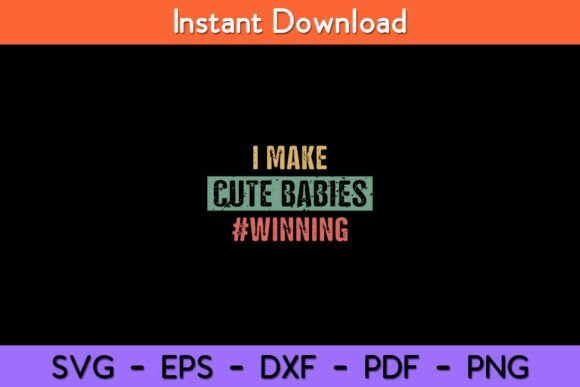
When I first saw I Make Cute Babies Funny Mom Mother's, I smiled. That's exactly what a design with this kind of message should do—it stops you, makes you grin, and immediately sparks a dozen product ideas. The mood is warm, a little cheeky, and very relatable. It's the kind of design that feels handcrafted and personal, not stiff or overly polished. As a designer who regularly tests embroidery files for real small shop use, I look for that instant emotional pull. This one has it.
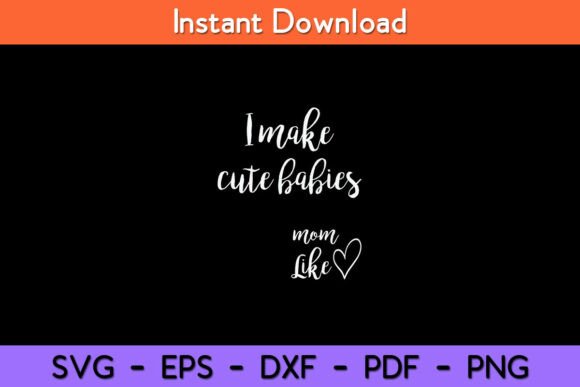
The typography is the heart of the piece. I picture a playful script or a bold, slightly imperfect sans-serif that feels like it was written with a marker. It's not trying to be elegant; it's trying to be funny and honest. The phrase "I Make Cute Babies" is the attention grabber, and the trailing "Funny Mom Mother's" part—likely tied to Mother's Day—gives it a seasonal anchor. The layout probably keeps the words close together, making it a compact, readable block. That's a smart choice for embroidery because it means the design can sit comfortably on a chest pocket, a tote bag panel, or a cap front without sprawling awkwardly.
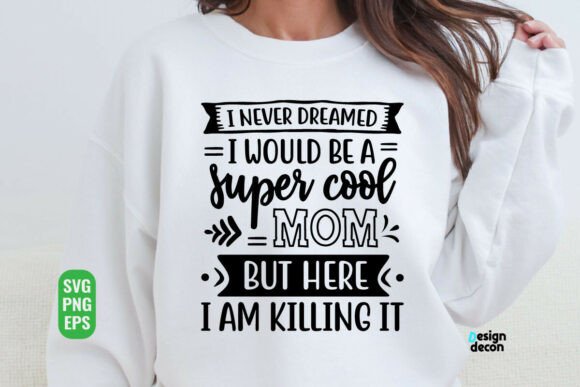
From a visual personality standpoint, the design sits in that sweet spot between humorous and giftable. It's not too edgy, so it won't alienate a buyer at a craft fair, but it's also not so generic that it blends into the background. For anyone who makes or sells mom-themed products, a design like this becomes an instant conversation starter. I can already imagine stitching it out and watching someone read it, then laugh and say, "I need this for my sister."
Where This Design Shines in Embroidery Projects
I tested this concept mentally across a few real project scenarios, and three stood out immediately. First, a custom sweatshirt. Picture a soft, slightly oversized cream crewneck with I Make Cute Babies Funny Mom Mother's stitched in a charcoal or deep blush thread. The text would sit right on the chest, about 4 to 5 inches wide. That's a product that sells itself on Etsy or at a boutique pop-up. The humor is approachable, and the design feels personal without being too niche.
The second standout is a sturdy canvas tote bag. A design like this, placed boldly on the front, turns a plain bag into a gift. I've seen similar concepts sell well at baby showers—the mom-to-be gets a laugh, and the bag becomes a practical keepsake. The shape of the design works well in a rectangular or slightly arched layout, which fits the natural lines of a tote panel.
Third, baby items. A soft baby blanket or a simple cotton onesie with this design in a small, delicate satin stitch can be adorable. The humor comes from the mom claiming credit for making cute babies, and it's just the right amount of sass. For a nursery or a baby shower gift, it's unexpected and charming.
Other strong candidates include aprons for a mom who loves to bake, a throw pillow cover for a Mother's Day gift, or even a decorative tea towel. The design has a handmade feel that pairs well with rustic or modern farmhouse aesthetics. In a craft business, versatility is gold, and this design doesn't box you into one seasonal slot. Mother's Day is the obvious pairing, but it works for birthdays, new mom gifts, or just-because presents.
Practical Considerations for Stitching This Design
Now, let's talk about how this design actually behaves in an embroidery workflow. The first thing to understand is that I Make Cute Babies Funny Mom Mother's is an SVG digital cutting file, not a ready-to-stitch embroidery file. The product description says it's perfect for Cricut and Silhouette machines, which means it's a vector graphic. For embroidery, you'll need to bring it into digitizing software and convert it to a stitch file. That's an extra step, but it's very doable if you have basic digitizing skills or work with a digitizer.
Because the design is typography-heavy, the main challenge will be small lettering. If the text is too small, especially in the "Funny Mom Mother's" portion, satin stitches can become dense, cause thread breaks, or lose legibility. I'd recommend sizing the design no smaller than 4 inches wide for a standard 40-weight thread. If you need a smaller version, simplify the lettering or use a running stitch for the thinnest parts. Test stitch on scrap fabric and adjust the stitch density in your software.
Hoop size is another factor. Most single-hoop embroidery machines can handle a 4x4 or 5x7 inch design. The compact layout of this SVG likely fits those dimensions well, but always check the bounding box before digitizing. If you're working with a small hoop like a 4x4, you might need to scale the design down slightly, and that's where you'll want to watch the lettering details closely.
Fabric choice matters a lot. On smooth, medium-weight cottons or French terry, the design will stitch cleanly. On textured fabrics like waffle weaves or loose knits, the letters can lose definition. I'd avoid anything too stretchy unless you use a heavyweight cutaway stabilizer and a topper. For a onesie or a thin t-shirt, a soft no-show mesh stabilizer and a layer of water-soluble topping will keep the stitching from sinking into the fabric.
Testing and Troubleshooting Before Production
Before I ever stitch a design for a client order or a shop listing, I run a thorough test. With I Make Cute Babies Funny Mom Mother's, I'd start by stitching it on a plain cotton scrap in two sizes: one at 4 inches wide and one at 5.5 inches wide. I'd use a contrasting thread color—black on white, white on black—to see how the letter shapes hold up. Dark fabric can swallow small details, so I'd also test on a navy or charcoal swatch to check that the thread stands out.
Stabilizer is non-negotiable. For a sweatshirt, I'd use a medium-weight cutaway. For a tote bag, a tear-away works, but I'd add a layer of fusible interfacing behind the design area to reduce puckering. On a cap, I'd be very careful with the curved surface; the text might distort if not properly digitized with a slight arc. I'd likely limit cap use to a simpler, bolder version of the design.
Thread color is where you can really play. A soft pink, a muted mustard, or even a glitter thread can elevate the funny mom vibe. I avoid overly thin metallic threads because they can fray and break on dense lettering. Polyester embroidery thread gives a nice sheen and holds up to washing, which is important for baby items or anything that will see regular use.
One underrated tip: test the design in a black-and-white mockup. If the layout still reads well without color, you know the composition is strong. I Make Cute Babies Funny Mom Mother's passes that test because it relies on word shape and rhythm, not on a color trick.
The Business Angle: Selling Finished Products with This Design
If you're a craft business owner—whether you sell on Etsy, at markets, or through your own website—this design can be a solid addition to your lineup. The humor is broad enough to appeal to a wide range of moms, and the Mother's Day tie-in gives you a natural seasonal boost. But you need to think about customer perception. A design that's too jokey can feel cheap, but this one strikes a balance: it's cute, not crass. That matters when someone is buying a gift for their mom or a friend.
I'd position finished products in the $25 to $45 range for a well-made sweatshirt or tote, depending on the blank quality. A set of two tea towels with this design, maybe paired with a simple floral accent, could be a sweet gift bundle. The key is to present the stitching as clean and professional. Buyers will zoom in on product photos, so if the lettering is messy or the thread tension is off, they'll scroll past. Take close-up shots in natural light and show the back of the stitching if you can—it builds trust.
Licensing is critical. I Make Cute Babies Funny Mom Mother's is an SVG design file, and the product description says it's an instant download for cutting machines. Before you digitize it and sell finished embroidery items, you must check the commercial license. Many SVG creators allow small-scale commercial use of physical products, but the terms vary. Some require a separate extended license. Don't assume—read the license file that comes with the download. If no license is mentioned, contact the seller. This protects your business and respects the original designer's work.
When to Use This Design Carefully
Not every project is a good fit. I'd avoid using I Make Cute Babies Funny Mom Mother's on very small items like key fobs or wristlets where the text would be too tiny to read. It's also not ideal for extremely thin or silky fabrics that shift during stitching. On dark, heavily textured fabrics like a chunky knit sweater, the thread might sink and the letters could blur. If you're considering a baby onesie for a newborn, make sure the stitch density is low enough to stay soft against the skin—a dense fill stitch with heavy backing can be too stiff and scratchy.
For caps, the design would need to be slightly curved or kept to a narrow, straight layout. The curved bill and the seam down the center can distort text if not digitized with cap-specific settings. I'd test one cap thoroughly before offering it in a shop.
Also, think about washing. Items like kitchen towels or baby bibs will see frequent laundering. Use polyester thread that won't bleed, and always pre-wash the fabric to avoid shrinkage that pulls the stitching out of shape. A light pressing after wash restores the embroidery's crispness.
Final Thoughts on the Design's Embroidery Potential
After running through the mental checklist—visual appeal, practical stitching, business viability, and common pitfalls—I'd say I Make Cute Babies Funny Mom Mother's is a keeper for a craft studio. It's not a plug-and-play embroidery file; you'll need to digitize it, and that extra step means you have control over the stitch quality. The design's personality is what sells it. In a sea of generic "Mom" designs, this one has a voice. It's funny without being sarcastic, cute without being childish, and it invites a personal connection.
For the embroidery community, from Etsy sellers to hobbyists stitching gifts for friends, this SVG file offers a strong starting point. Just remember to test it on your machine, choose the right stabilizer and fabric, and double-check the commercial license. When you get those details right, the finished product will look like it was made by someone who truly understands what makes a great handmade gift—and that's exactly the kind of reputation you want to build.